Educational site about Norwegian herbal tea — not a pharmacy or clinic. We do not make health or treatment claims. Not medical advice.

How to Make Herbal Tea at Home

Water temperature, timing, and the right tools — everything you need for a cup that actually tastes good.

Start With the Basics

Good herbs still need the right handling

Steeping herbal tea is deceptively simple. Pour hot water over leaves, wait, and drink — yet small variations in temperature, vessel, and timing produce dramatically different results. A birch leaf infusion steeped at 100 °C for 20 minutes tastes harsh and astringent, while the same leaves at 85 °C for seven minutes yield a smooth, slightly sweet cup. Understanding these variables transforms herbal tea from an occasional experiment into a reliable daily pleasure.

Norwegian home tea enthusiasts have traditionally used enamel pots, ceramic teapots, and simple glass jars — materials that do not impart metallic flavours to delicate infusions. Modern options include double-walled glass teapots that maintain temperature and stainless steel infuser mugs for office use. Regardless of equipment, the core principles remain: use fresh water, respect steeping times, and always cover your vessel during infusion to retain volatile aromatic compounds.

This guide walks through each stage of the steeping process with specific recommendations for the herbs most commonly used in Norway. Whether you are preparing a single mug before bed or a litre batch for a family gathering, these guidelines will help you achieve consistent, enjoyable results every time.
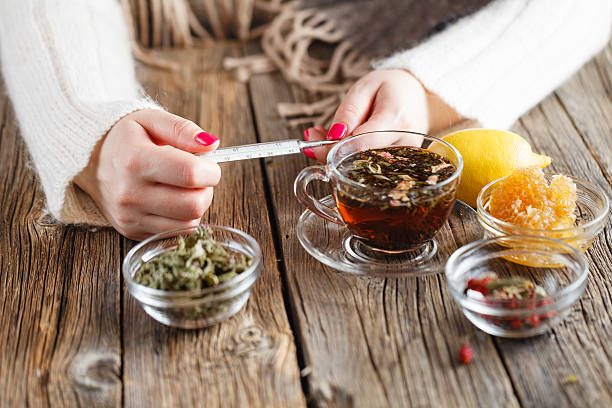
Thermometer measuring water temperature for herbal tea steeping

How Hot Should the Water Be?

Water temperature is the single most overlooked factor in herbal tea preparation. Unlike black tea, which generally tolerates boiling water, most Nordic herbs contain delicate essential oils that degrade above certain thresholds. As a practical rule, bring water to a full boil to remove dissolved gases and improve extraction, then let it cool to the target range before pouring.

Leafy herbs — nettle, birch, raspberry leaf, fireweed — perform best between 80 °C and 90 °C. Flowers such as meadowsweet, elderflower, and chamomile prefer 75 °C to 85 °C. Roots and bark, including dandelion root and birch bark (used occasionally in traditional preparations), can handle boiling water and often benefit from a 15–20 minute simmer in a covered saucepan rather than a simple steep.

If you do not own a thermometer, use the countdown method: after boiling, wait approximately 60 seconds for 90 °C, 90 seconds for 85 °C, and two minutes for 80 °C in a standard kitchen kettle at room temperature. With practice, you will develop an intuitive sense for your specific equipment.

Herb TypeTemperatureSteep TimeAmount per 250 ml
Leafy (nettle, birch)85–90 °C7–10 min1 tsp dried
Flowers (meadowsweet)80–85 °C5–7 min1 tsp dried
Roots (dandelion)100 °C (simmer)15–20 min1.5 tsp dried
Blends (mixed)85 °C8–12 min1.5 tsp dried

What You Need in the Kitchen

Simple tools that get the job done

For One Cup at a Time

Ideal for daily personal use. Stainless steel basket infusers fit most mugs and allow leaves to expand fully. Fill the basket no more than two-thirds full to ensure water circulation. This method works excellently for nettle, birch, and single-herb infusions where you want a quick, no-fuss preparation routine before work or during an afternoon break.

For Sharing — Glass Teapot

Perfect for serving two to three people or preparing a batch to refrigerate. Double-walled borosilicate glass maintains temperature for 15–20 minutes without an external cosy. Watch the leaves unfurl — it is both practical and visually calming. Glass does not retain flavours between infusions, making it ideal for rotating through different herbs throughout the week.

For Roots and Tough Leaves

Used for tough plant material: roots, bark, seeds, and woody stems. Place herbs in cold water, bring to a gentle simmer, cover, and cook on low heat for 15–30 minutes. Strain and serve, or reduce further for a concentrated base to dilute later. This method extracts compounds that simple steeping cannot reach and is common in traditional Norwegian farmhouse preparations.

Iced Tea and Sun Tea

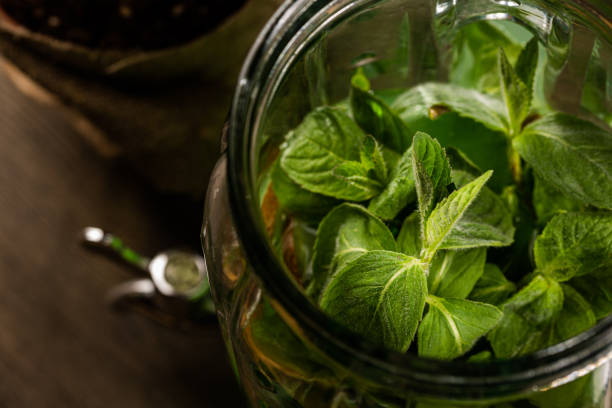
During Norwegian summers — particularly in June and July when daylight lasts past 10 pm — cold herbal infusions become a refreshing alternative to hot preparations. Cold steeping extracts fewer bitter tannins and produces a smoother, naturally sweet flavour profile. Combine 2 tablespoons of dried herbs with one litre of cold filtered water in a glass jar, refrigerate for 8–12 hours, then strain and serve over ice.

Sun tea, a method where a jar of water and herbs sits in direct sunlight for 3–4 hours, is popular in southern Norway during warm spells. However, food safety experts caution that temperatures in sun tea rarely exceed 50 °C — warm enough to encourage bacterial growth if left too long. If you use this method, consume the tea the same day and never leave it outdoors overnight. Refrigeration after straining is essential.

For iced tea parties or outdoor gatherings, steep at double strength (2 teaspoons per 250 ml) with hot water, cool rapidly in an ice bath, and dilute with cold water or sparkling water before serving. Add fresh mint, sliced cucumber, or a few crushed berries for a Nordic twist that guests will remember.

Cold infusion herbal tea in a glass jar with fresh mint

Stay Safe

Keep Your Tools Clean

Residue from previous infusions can harbour mould and bacteria. Wash teapots, infusers, and jars with hot soapy water after each use and let them air-dry completely. Wooden utensils used for stirring should be replaced if they develop dark stains or odours.

Do Not Keep Tea Too Long

Steeped herbal tea left at room temperature for more than two hours should be discarded. Reheating does not destroy all bacterial toxins that may have formed. If you prepare tea in batches, refrigerate promptly and consume within 24 hours for optimal safety and flavour.

Ready to Try It?

Pick a recipe and make your first cup today